
Support recycling with Skip Bins
Renovating a bathroom, clearing a shed, or running a small building job creates more material than most people expect. A skip bin looks like a simple way to get rid of it all, yet a bin can also be the easiest way to recycle correctly. When the right waste goes into the right bin, recovery rates climb and tip fees often fall. This guide explains how skip bin hire slots into the recycling chain in Australia, what happens after collection, and how to load a bin so more of your waste is turned into useful product rather than landfill.
What really happens after pickup
A driver collects your bin and takes it to a transfer station or material recovery facility. The waste is tipped onto a floor and sorted with a mix of machines and people. Metals are pulled by magnets or eddy current separators. Clean masonry is separated for crushing. Timber is graded for recycling or energy recovery. Cardboard and plastics move into their own stacks. The leaner the mixed pile, the more a facility can recover. Good loading at your site reduces contamination that would otherwise push a load into general landfill.
Bin choices that lift recovery
Not every job needs a single mixed waste bin. A small change to your booking can improve recycling rates.
Clean masonry bins
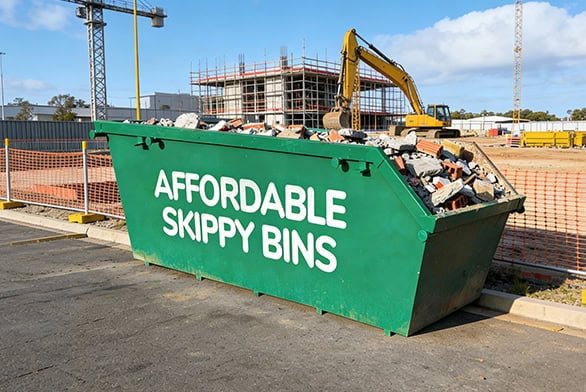
If you have tiles, brick, concrete, or pavers from a bathroom or driveway, ask for a masonry bin. Facilities can crush clean loads into road base or drainage aggregate. A pure load is cheaper to process and is often priced better than a mixed bin of the same volume.
Green waste bins
For garden projects, a green waste bin keeps branches, leaves, and turf out of landfill. This stream is turned into mulch or compost. It also avoids contamination that would otherwise spoil a general bin.
Scrap metal runs
Many jobs create a surprising pile of metal. Shelving, old fittings, taps, offcuts, or roofing. A dedicated metal load is easy to recover and can reduce your total disposal cost if the volume justifies a separate bin or a tip run.
The size question and why it matters for recycling
Choosing the right volume avoids overflow, extra transport, and rehandling. Common sizes are two, three, four, six, eight, ten, and twelve cubic metres. Measure your waste roughly in ute loads. As a rule of thumb, two ute loads equal about two cubic metres. If your pile contains a lot of air, like branches or packaging, size up. A bin that fits everything in one go uses fewer truck kilometres and reduces the chance you will book a second bin that doubles handling.
Load the bin to keep streams clean
The way you load a bin affects recovery more than most people realise.
Stage and sort before you lift
Make three ground piles next to the skip bin. Masonry, metals, and everything else. Move the clean piles in first. The mixed fraction goes last. This keeps heavy items at the base and reduces crushing of light recyclables.
Keep liquids and food out
Tins with paint, oil, solvents, or food scraps contaminate loads and attract pests. Keep them out of the bin unless you have arranged a specific stream. Your provider can advise on drop off points for paints and chemicals.
Avoid hidden nasties
Gas bottles, batteries, tyres and asbestos must be handled in a special manner. Ask before you book in case you are not sure. A single-item wash-up may convert a recyclable load to an expensive issue at the gate.
Do not overfill
A level load is a legal requirement for safe transport. Overfilling forces repack or removal, adds cost, and can mix clean material back into general waste during reshuffle.
How construction jobs can double their recovery rate
Small builders and renovators can set up simple site practices that lift recycling without slowing the job.
Two bin setup for busy sites
Place a masonry bin next to a mixed bin. Put bricks, concrete, and tiles straight into the masonry bin. Offcuts, packaging, and general waste go into the mixed bin. Keep a small tub near the saw for metal offcuts and screws. At pickup time, most of your heavy fraction is already clean.
Clear signage
A printed sheet that says masonry only on one bin and no food or liquids on the other reduces guesswork. When multiple trades come through, the sign protects your recycling rate.
Flatten cardboard and stack timber
Flattened boxes save space and avoid trapping smaller recyclables. Keep timber in lengths where possible. Facilities prefer straight material to feed through screens and shredders.
Council rules and safe placement help the process
If the bin sits on your driveway, you usually do not need a permit. If it sits on a verge or road, you may need council permission and safety markings. A stable, well placed bin reduces damage to kerbs and keeps collection on schedule. Delays increase costs and can send loads to different facilities with different recovery equipment. Plan placement so the driver can access the bin without moving cars and without tight turns that risk damage.
Why weight limits and levy settings matter
Many providers work with weight allowances tied to bin size. A six cubic metre general waste bin might include a set tonne limit with fees for extra weight. Clean masonry has a different profile since it is heavy but easy to recover. Choosing the right stream and size protects your budget and supports recycling at the same time. In some states there are landfill levies that make mixed landfill disposal more expensive than recycling a clean stream. Sorting correctly helps you avoid those charges.
Paperwork that proves you recycled
If you are running a project that needs evidence, ask for a gate receipt or processing note that states the facility and stream. Builders can attach these to job files to show clients that concrete was crushed or green waste was mulched. Homeowners like the clarity too. A single page can make resale agents and strata managers more comfortable about the work done on site.
Picking a provider who cares about recovery
A good skip company will answer simple recycling questions without a sales push. Ask which local facilities they use and what streams those sites handle well. Ask about clean masonry pricing compared to mixed waste. Ask how they manage contamination and what items are prohibited. If the answers are clear and consistent, you are dealing with a team that understands the back end, not just the booking screen.
A five minute plan for your next bin
Write the waste types you expect. Choose a bin mix that matches those streams. Stage piles before loading. Keep liquids and food out. Photograph the bin at level load before pickup. These small steps make a large difference. They turn a bin from a quick disposal tool into a simple way to feed local recycling markets.
The takeaway
Skip bin hire supports recycling when you match the bin to the waste, load it with a little care, and keep problem items out. Clean masonry becomes road base. Green waste becomes mulch. Metals go back into production. With one smart booking and a tidy approach on site, you cut costs, save time, and keep valuable material in use rather than buried.